
Ever have one of those days where the stress of life is weighing you down? Like, if you do not get chocolate or wine or a nap sometime very soon you are going to totally snap and end up in a padded room? The last two days for me have been like that for me and this lavender aromatherapy dough has been a huge help.
With bathroom construction going on and my inlaws in town, I am about one crisis away from a nervous breakdown this week. I decided I needed to do something about my unhealthy stress level before mommy got in the car and drove to Tahiti all by herself.
If you have ever wanted to just take your frustration out on an inanimate object, lavender therapy dough is definitely a natural stress relief that you should try.
Posts feature partner companies & may be sponsored. Post contains affiliate links & I will be compensated if you make a purchase after clicking on links. As an Amazon Associate I earn from qualifying purchases.
Table of Contents
What is stress relief dough?
So, what is aromatherapy dough? Essentially, it is playdough for grownups! Instead of food coloring and artificial fruit aromas, aromatherapy dough includes essential oils and dried herbs that offer natural stress relief.
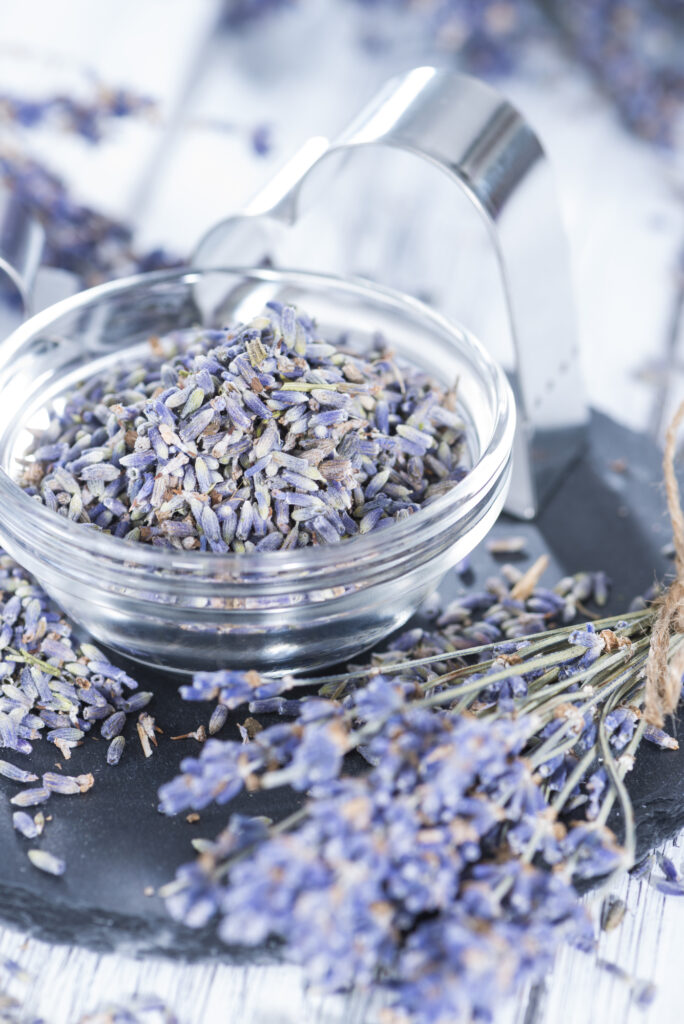
I chose to use dried lavender flowers and lavender essential oil for my aromatherapy dough. You could also use a chamomile tea bag and Ylang Ylang essential oil or whatever other essential oil works to relax you. This aromatherapy dough took literally minutes to make and is a great way to relax at the end of a busy day!
✯Don’t want to miss the next post?✯
Follow Turning the Clock Back on Facebook | Twitter | Pinterest
Or join the private Facebook group for simple tips on going green!
Ingredients in this lavender therapy dough recipe
As I said before, ingredients for scents and texture are pretty flexible, however, here are the ingredients I used for my aromatherapy dough
- White all purpose flour
- Table salt
- Vegetable oil or grapeseed oil
- Cream of Tartar
- Water
- Lavender essential oil
- Dried lavender flowers
How to make stress dough
The steps for making therapy dough are pretty simple but here is a quick rundown of the steps before you get started
- Place all ingredients in a medium sauce pan
- Place pan over medium heat and stir constantly
- As the mixture thickens into dough it will be hard to stir but heat and stir until it is a solid ball that holds together.
- Remove from heat and let cool
- Squish as needed to relieve stress!
- You can store it in the refrigerator for longer life.
Lavender Aromatherapy Dough Recipe
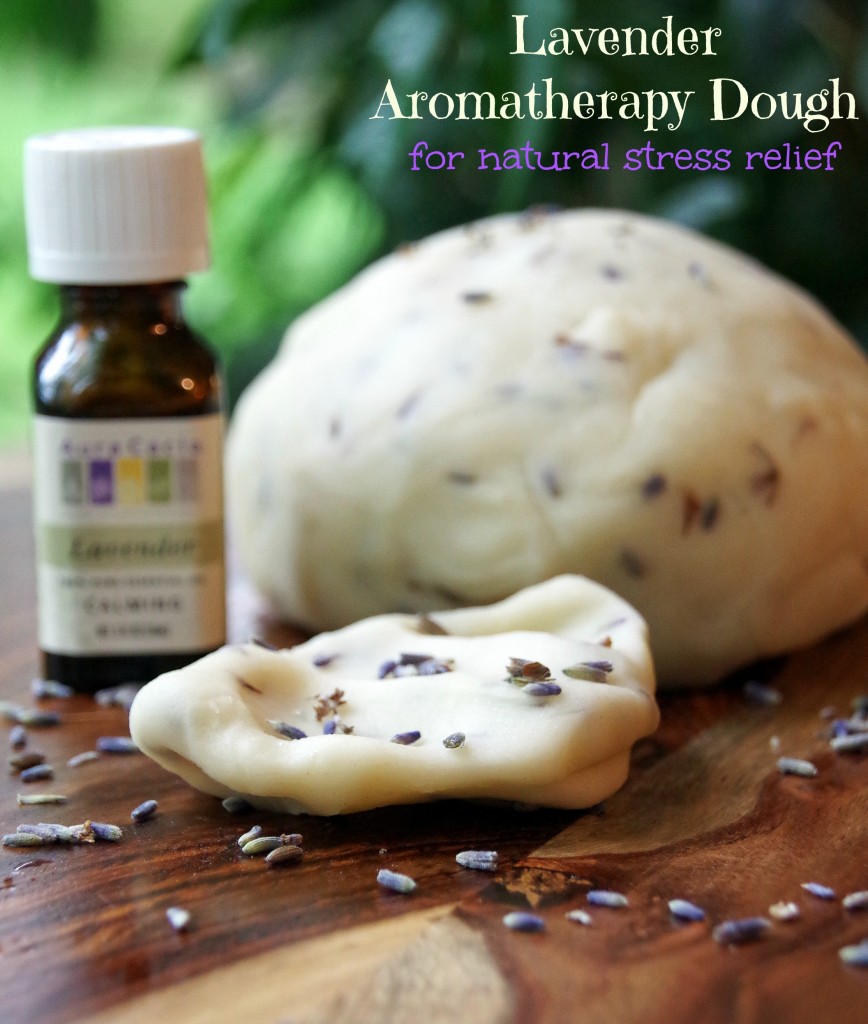
How do you make aromatherapy dough? It is seriously so easy! This DIY aromatherapy playdough for stress relief uses the soothing power of lavender to provide stress relief. It keeps your hands busy as you knead, knead, knead your way to calmness.
Lavender Aromatherapy Dough
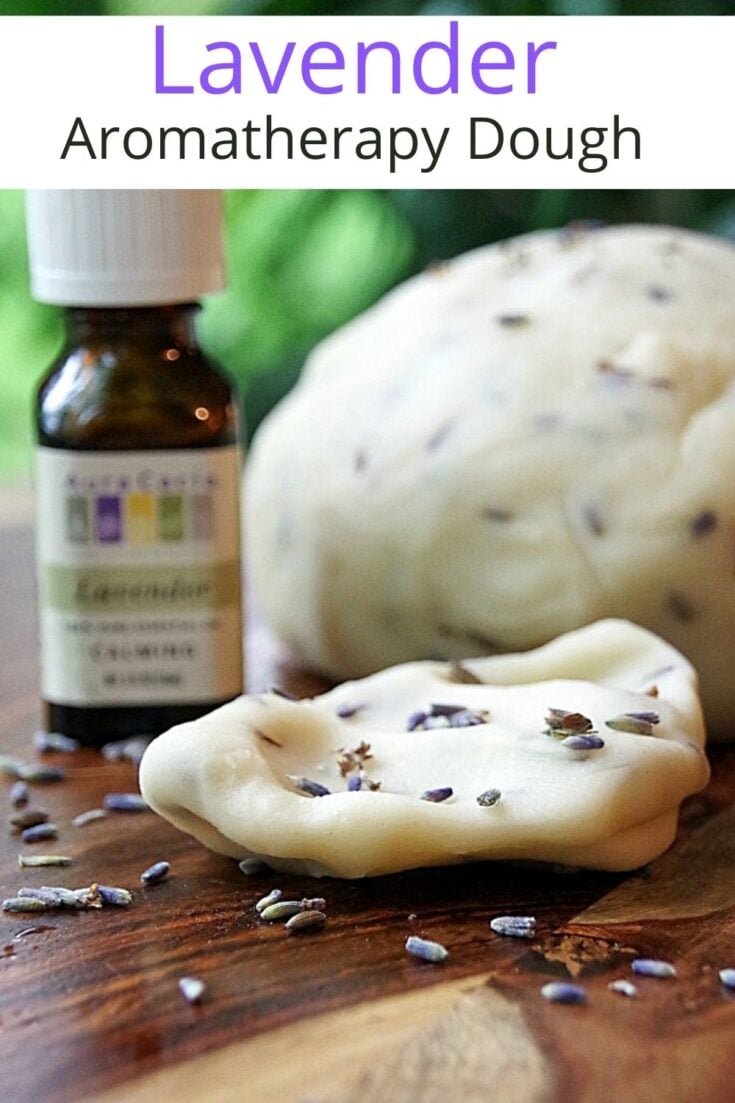
This lavender aromatherapy dough is an easy solution for natural stress relief
Materials
- 1 cup flour
- 1/4 cup salt
- 1 TBSP oil (vegetable oil, grapeseed oil, etc)
- 2 TBSP Cream of Tartar
- 1 cup water
- 10 to 15 drops lavender essential oil
- 1 1/2 TBSP dried lavender flowers (optional)
Tools
- Medium sauce pan
- Wooden spoon
Instructions
- Place all ingredients in a medium sauce pan
- Place pan over medium heat and stir constantly
- As mixture thickens into a dough it will be hard to stir but heat and stir until it is a solid ball that holds together.
- Remove from heat and let cool
- Squish as needed to relieve stress!
- You can store it in the refrigerator for longer life.
Notes
For other scents, add different essential oils and texturizing ingredients. For example, rose oil and dried rose petals for Rose therapy dough, etc.

Diane is a professional blogger and nationally certified pharmacy technician at Good Pill Pharmacy. She earned her BS in Microbiology at the University of New Hampshire and has worked in cancer research, academics, and biotechnology. Concern over the growing incidence of human disease and the birth of her children led her to begin living a more natural life. She quickly realized that the information she was learning along the way could be beneficial to many others and started blogging and freelance writing to share this knowledge with others. Learn more about her HERE.
This is awesome! I have anxiety and always loved play dough and I love lavender! I will have to give this a try, thanks!
Just reading about this dough is relaxing! I think this would also be a great activity for an anxious child, squishing and squashing dough is so fun!
very true! Hoping my teen will find it helpful as finals roll around!
This is a great idea. I have never been a fan of the plastic smelling stress balls this is a great way to naturally get the same stress relief.
agreed! I really don’t like the smell of rubber!
What a creative idea Diane! I’ve never heard of aromatherapy balls but I can totally see how helpful they could be. Pinned and going on my list of things to try!
hope you find it helpful! It is very relaxing to just sit there and knead it in your hands!
It is relaxing to play with play dough. I do it sometimes with my kids. I’m sure kids would love this recipe as well. Of course I also find actually baking (working bread dough etc.) nice. And freshly baked bread smells pretty good too : )
I love to bake but rarely have good luck with homemade bread…I just need more practice!
Oh how I love this idea! I’m visualizing my entire family sitting around with Lavender Aromatherapy Dough at the end of each day. Sounds pretty simple to make-I’m going to give it a try. Thanks Diane.
glad you like it! It really was incredibly easy to make!
I love this idea. I just made calm jars with my children last week. This is definitely another idea that I think will work. Thanks for this helpful post!
Oh my gosh, I love this! I wonder if I could make some for Darrol Henry to help him when he’s having a meltdown. All of those volatile toddler emotions can use all the help they can get!
that is a great idea…no only because lavender is calming but maybe squishing playdough will get out some frustration!
We’ve used a no-cook / no-tarter recipe for regular playdough (https://www.youtube.com/watch?v=C2ytbSa3mPg) – how different is the cooked recipe in terms of texture?
I have made a no cook playdough and found it a bit firmer and slightly less pliable. This is really soft and squishy!
Thank you so much for sharing this!! I really need it!
Hello, how long will this last before it spoils?
Thank you,
Dana
You can store it in the refrigerator for several weeks at least. Maybe 2 weeks at room temp?
How long does the dough last?
I would say a couple of weeks but keep an eye on it….