
As a family, we are all fairly active in a number of different sports. Our lives revolve around tennis, running, gym workouts, martial arts, and as of last week, rowing. Staying active is important for physical and mental health. However, what are those activities doing to our environment?
Have you ever considered looking for eco friendly sports? If you are concerned with sustainable living, green sports should definitely be something you consider. But, which sports have the highest carbon footprint? And on the other hand, is there anything you can do to turn no so green activities into sustainable sports you can enjoy without guilt? Keep reading for a few tips, then put down the bottled water, grab your second hand soccer ball, and get moving!
Posts feature partner companies & may be sponsored. Post contains affiliate links & I will be compensated if you make a purchase after clicking on links. As an Amazon Associate I earn from qualifying purchases.
Table of Contents
Eco friendly Sports: What is your favorite activity doing to the environment?
I recently came across an article about eco friendly sports and how our choice of physical exercise can really increase our carbon footprint. I thought I would share with you a couple of the worst ‘culprits’ when it comes to their effect on the environment. After that eye opening little bit of info, I will give you a few ideas on how you can green up your sports routine. Recycle tennis balls, use natural detergent when washing exercise clothes, and carpool with your neighbor. There are plenty of ways to turn your child’s after school activity into a sustainable sport. Are you just a spectator? Check out my post about sustainable tailgating to help reduce your carbon footprint.
✯Don’t want to miss the next post?✯
Follow Turning the Clock Back on Facebook | Twitter | Pinterest
Or join the private Facebook group for simple tips on going green!
Some sports are notoriously BAD for the environment. Not that they aren’t really fun or maybe even great exercise but the negative effect on the planet is pretty significant. There are people (those lovely scientist type people) who are working diligently to improve this but until they do, the following activities are not considered particularly eco friendly sports:
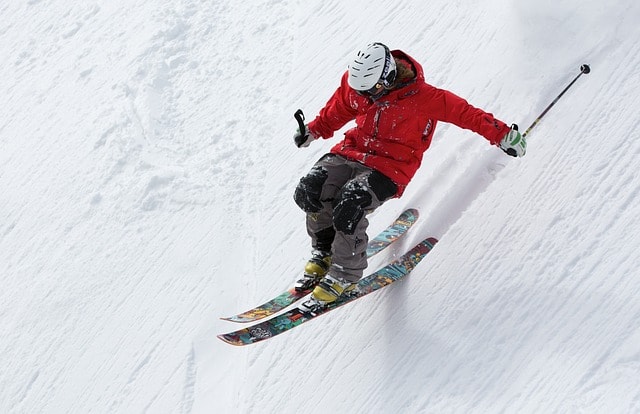
Skiing: One of the least eco friendly sports!
Coming from New England, I am a HUGE fan of skiing…preferable cross country since I don’t really STOP all too well. Those lovely ski slopes rarely get covered with snow courtesy of Mother Nature. Usually those feet of powder come from an artificial snow making machine. That machine will use about 800 gallons of water
Recent studies also suggest that snow-grooming machines and artificial snow-making cause tons of damage to soil and vegetation in these mountain areas. And some ski resorts put salt in their artificial snow to make the runs faster. When the snow melts and the salt leaches into the environment this is really bad for the health of the plants and animals in the area.
How can skiing be more sustainable?
Attempts to ‘green up’ the skiing industry include things like a Trash Incinerator-Ski Slope and equipment that runs on bio fuels instead of traditional gasoline. Sometimes they also buy renewable energy certificates from wind farms. There are even groups exploring the possibility of powering some of their lifts using wind turbines. It will never be one of the most eco friendly sports there is to participate in but some ski resorts really are trying.
Other Sports Articles You May Enjoy
- 7 Reasons to Start Running to Lose Weight
- Easy Workout Tips and Nutrition Advice to Fit into a Daily Workout
- Youth Sports: Surviving a season of Chaos!
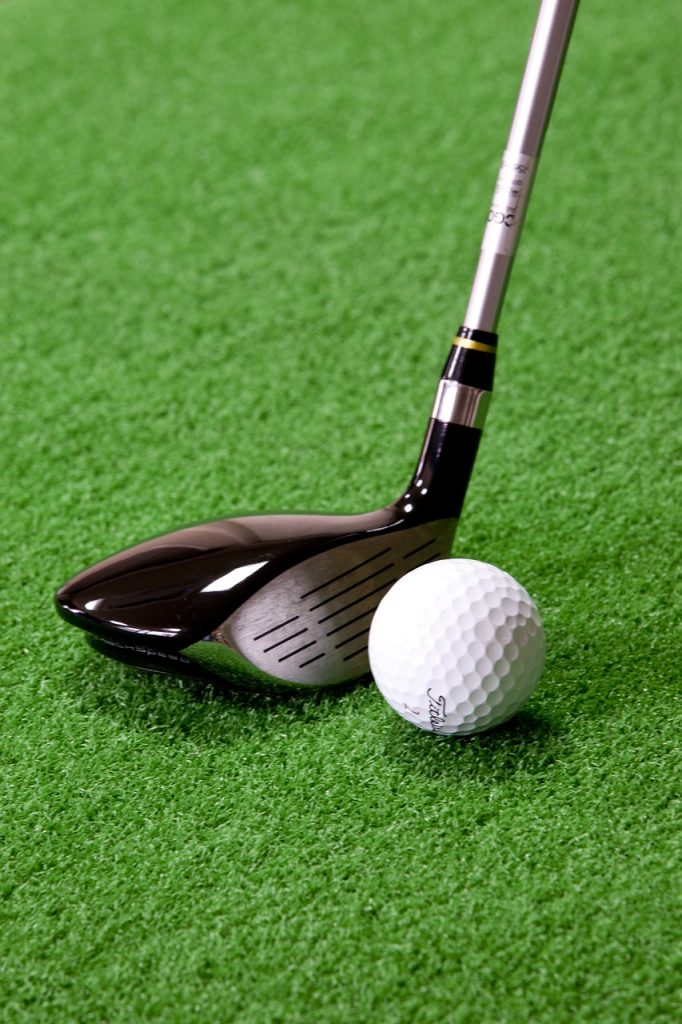
Is Golf Bad for the Environment?
If you are looking for sustainable sports, golf probably shouldn’t be at the top of your list. Those acres and acres of green grass as far as the eye can see don’t grow that way on their own. They require a ton of water, fertilizer, weed killer and pesticides to create a truly spectacular turf. In fact, golf courses have one of the most highly concentrated per acre use of pesticides.
The Facts about Golf
In 2003 there were over 61 million golfers in the world and over half of them live in the United States. That is a lot of people wandering around golf courses whacking little balls around. Oh, and those little white balls that end up in lakes and lost in the woods? Guess how long they’ll be around for? One golf ball takes anywhere from 100 to 1,000 years to decompose naturally. And over 300 million golf balls are lost or thrown away every year, just in the US alone!
When they finally do decompose they release a large amount of heavy metals including high levels of zinc. So, every ball that accidentally gets lost in the water on your Saturday morning golf outing is contributing to the heavy metal contamination of our water supply. You better learn to start aiming better!
Can Golf become Sustainable?
Recently, the biodegradable golf ball has hit the market and research is ongoing to come up with even more eco friendly golf ball ideas. University of Maine has recently come up with one made out of crushed lobster shells! I am more than happy to help eat the lobster if they need a few more volunteers! If you have a few spare golf balls lying around, make some golf ball lady bugs for your garden. That will use up about 3 of the billions of golf balls on this planet!

Green Sports Tips: How to Reduce Your Carbon Footprint
Skiing and golf are just two examples of sports that negatively effect the environment. Whether you are talking about watering baseball diamonds, swimming pools, or building new football stadiums, almost all sports can have a negative effect on the environment. If your kids are in youth sports, here are a few tips that might help reduce your family’s sports footprint:
- Ditch the disposables. Very few people need electrolyte replacement drinks. Learn to drink water…it is much better for you in the long run! Put it in a stainless steel water bottle. And if you DO use an electrolyte replacement, buy a powdered electrolyte supplement in bulk.
- Recycle or donate your used equipment. Donate your shoes to Soles for Souls. Give your used racket to Good Will. Sell your mostly unused football helmet on eBay. Keeping sports equipment out of the landfill is important.
- Carpool to practice. If you have a ways to drive to get to your ice skating lessons, find someone who lives close to you and carpool. One car uses much less gas than 4. You will also be saving money as well as time by carpooling.
- Buy secondhand equipment. New stuff always comes with lots of packaging. Many areas have secondhand sports stores like Play it Again Sports. You can get your basketball or tennis racket second hand without the unnecessary boxes, bags, tags, and plastic ties. Not sure your child is going to stick with a sport? Rent or borrow larger items whenever possible.
- Buy eco friendly sports equipment! Buy sports items made with recycled or biodegradable materials like those eco friendly golf balls I mentioned earlier. Fair Trade Sports sells sustainable sports balls and designates the after-tax profits to children’s charities.
Making Sustainable Sports a Reality
There is no way that environmental activists are going to get people to stop play golf or zipping down the ski slopes. However, you can make a few small changes in the way your own family plays sports that will reduce your own personal carbon footprint.
Hopefully, more resorts, country clubs, and sports stadiums will begin to see this country’s need for change when it comes to our favorite outdoor activities. Want to read more about sustainable sports and how to reduce your carbon footprint? Check out articles on USA Today, Wikipedia, Beyond Pesticides, and CNN.

Diane is a professional blogger and nationally certified pharmacy technician at Good Pill Pharmacy. She earned her BS in Microbiology at the University of New Hampshire and has worked in cancer research, academics, and biotechnology. Concern over the growing incidence of human disease and the birth of her children led her to begin living a more natural life. She quickly realized that the information she was learning along the way could be beneficial to many others and started blogging and freelance writing to share this knowledge with others. Learn more about her HERE.